

Broken Wrist Treatment: When to See a Hand Specialist in Los Angeles


A broken wrist can affect your ability to work, exercise, care for your family, and handle everyday tasks. Even simple movements like typing, opening a container, driving, or lifting objects can become difficult when pain, swelling, or stiffness limits your wrist function.
Understanding your options for broken wrist treatment can help you make informed decisions after an injury. Some wrist fractures heal with a splint or cast, while others require specialized care to restore alignment and protect wrist function.
At Foundation Hand Surgery Institute, Dr. Rob Viswanath and Dr. Ryan Tantone provide focused care for hand and upper extremity conditions in Los Angeles. Our team evaluates each wrist fracture individually and develops treatment plans tailored to the injury, your lifestyle, and the activities you want to return to.
What You'll Learn From This Article
How wrist fractures happen and why treatment depends on the injury
When a broken wrist may need evaluation from a hand specialist
How X-rays and other imaging help guide treatment decisions
The difference between splints, casts, physical therapy, and surgery
What recovery may involve when returning to work, sports, and daily activities
Understanding What Happens After a Broken Wrist Injury

A wrist fracture occurs when one or more bones in the wrist break. Although many people use the term “broken wrist” to describe any wrist injury, fractures can vary significantly depending on the bone involved, the location of the break, and how the injury occurred.
The most common type of wrist fracture involves the distal radius, the larger bone in the forearm that connects to the wrist joint. A distal radius fracture can affect wrist movement, grip strength, and your ability to comfortably use your hand.
The details of the fracture matter. A small crack in a stable position may require a different approach than a fracture in which the bones have shifted, or the joint surface is involved.
Common Causes of Wrist Fractures
A wrist fracture often happens after a sudden force places more stress on the bone than it can handle. Common causes include:
Falling onto an outstretched hand
Sports injuries
Bicycle or vehicle accidents
Workplace injuries
Falls in older adults with changes in bone strength
Younger adults often experience wrist fractures after higher-impact injuries, while older adults may fracture their wrist after a lower-impact fall. The cause of the injury and the condition of the bone both influence the type of fracture that occurs.
Signs You May Have a Broken Wrist
Common symptoms of a broken wrist may include:
Wrist pain after an injury
Swelling or bruising
Difficulty moving the wrist or fingers
Reduced grip strength
Tenderness around the injured area
Changes in wrist shape in some cases
Not every painful wrist injury is a fracture, and some fractures may not look severe from the outside. An evaluation with imaging, such as an X-ray, helps determine what is happening beneath the surface.
Understanding the injury is the first step toward choosing appropriate care. The next question is knowing when specialized evaluation may be helpful.
When Should You See a Hand Specialist for a Broken Wrist?
Many wrist fractures can heal with proper support and monitoring. However, some injuries require a more detailed evaluation because the fracture pattern, bone position, and involvement of the wrist joint can affect treatment decisions.
A hand specialist focuses specifically on the structures of the hand and wrist, including bones, joints, tendons, nerves, and soft tissues. This focused experience can be especially helpful when the injury is complex, symptoms continue after initial treatment, or you want a second opinion.
Situations That May Require Specialist Evaluation
A hand specialist evaluation may be recommended when:
The fracture involves the wrist joint
The broken bone has shifted out of position
The fracture appears unstable
Pain or stiffness continues after initial treatment
Wrist movement or strength does not improve as expected
Your work or hobbies require reliable hand function
For many patients, the goal is not only to heal the bone but also to return to normal activities. Someone who works on a computer may have different recovery goals than someone who uses tools, plays sports, or performs detailed hand movements for work.
Research shows that treatment decisions for distal radius fractures are often based on multiple factors, including fracture characteristics, patient goals, and expected function. A study published in JAMA Network Open reviewed variation in distal radius fracture treatment patterns and highlighted the importance of individualized decision-making when evaluating care options.
At Foundation Hand Surgery Institute, our surgeons take time to understand your injury and discuss options that fit your needs, including conservative care, surgical treatment when appropriate, and second opinions.
How Doctors Diagnose a Wrist Fracture
A detailed evaluation helps determine the type of wrist fracture you have and what treatment approach may be appropriate. The goal is to determine the location of the injury, assess whether the bones are aligned, and evaluate how the fracture may affect wrist function.
Physical Examination

During an appointment, your provider may evaluate:
Where you feel pain
Swelling and tenderness
Wrist and finger movement
Grip strength
Signs of nerve irritation, such as numbness or tingling
This information helps your provider understand how the injury is affecting your hand and wrist.
Imaging Tests Used for Wrist Fractures
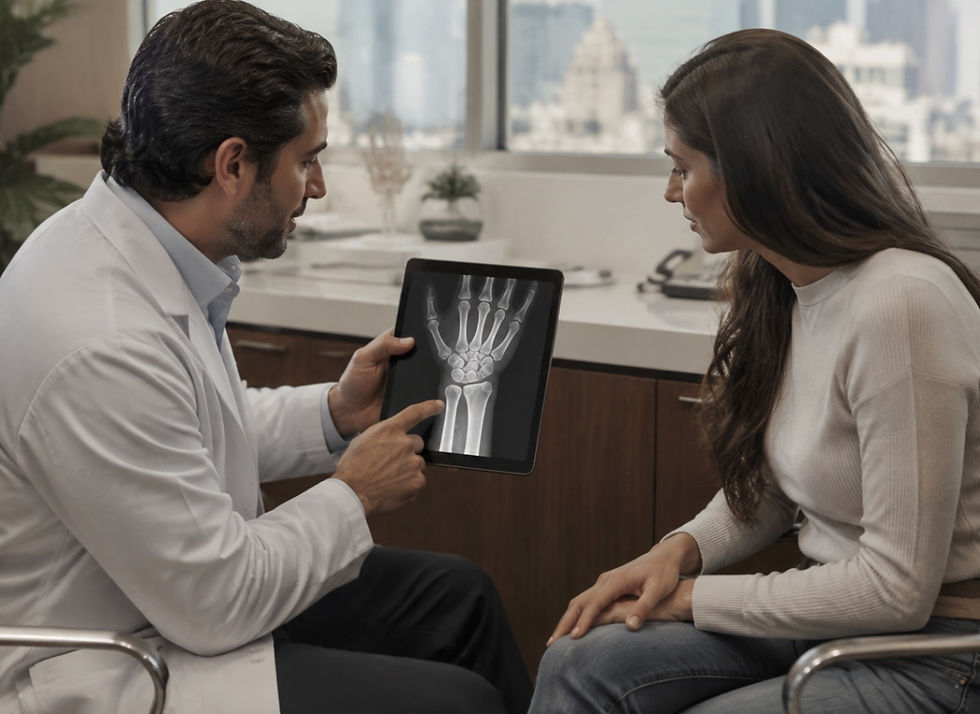
Imaging allows doctors to see the fracture pattern and determine whether the bones remain properly positioned.
Imaging Test | What It Helps Evaluate |
X-ray | Identifies the fracture location and checks bone alignment |
CT scan | Provides more detailed images of complex fractures, especially those involving the joint |
Follow-up imaging | Helps monitor healing and confirm the wrist remains stable |
An X-ray is usually the first imaging test used when a wrist fracture is suspected. A CT scan may be recommended when additional detail is needed, especially for fractures involving the joint surface.
Accurate evaluation plays an important role in treatment planning. Research published in the Journal of Hand Surgery examined factors influencing distal radius fracture management and outcomes, underscoring the importance of considering each patient’s specific injury and functional needs when selecting treatment.
Broken Wrist Treatment Options: From Splints to Surgery
Broken wrist treatment depends on the type of fracture, whether the bones have moved out of position, your overall health, and the activities you want to return to.
Two people can have wrist fractures that look similar but receive different recommendations because their injuries, goals, and daily demands are different.
Non-Surgical Treatment Options

Some wrist fractures heal without surgery. Treatment may include:
A splint to protect the wrist during early healing
A cast to keep the bones stable
Follow-up X-rays to monitor alignment
Activity adjustments during recovery
Physical therapy to improve motion and strength
A splint or cast can help protect the wrist while the bone heals. The amount of time spent in immobilization depends on the fracture and your provider’s recommendations.
When Surgery May Be Considered

Surgery may be considered when a fracture is unstable, displaced, affects the joint surface, or cannot be maintained in proper alignment with non-surgical treatment.
The goal of surgery is generally to restore proper bone alignment and support wrist function. Your surgeon can explain why surgery may or may not be recommended, what the procedure involves, and what recovery may require.
Clinical guidance published by the Journal of the American Academy of Orthopaedic Surgeons discusses the evaluation and management of distal radius fractures, including factors that may influence treatment decisions.
At Foundation Hand Surgery Institute, treatment decisions are based on a careful evaluation of your injury, your goals, and your lifestyle. The focus is helping you understand your options clearly.
Rehabilitation After a Wrist Fracture

After the bone begins healing, rehabilitation may focus on improving:
Wrist motion
Grip strength
Flexibility
Comfort during daily activities
Physical therapy may help address stiffness and weakness that can develop after a period of immobilization. Recovery varies depending on the fracture, treatment approach, and individual healing factors.
Why Early Evaluation Can Help Guide Wrist Recovery
After a wrist injury, it may be tempting to wait and see if symptoms improve. Some minor injuries do get better with time, but a possible fracture deserves careful evaluation because treatment decisions often depend on the details of the injury.
Early assessment can help identify the fracture pattern, determine whether the bones are properly aligned, and explain what treatment options may be appropriate.
This does not mean every wrist injury requires surgery. Many fractures can be treated without an operation. The purpose of evaluation is to give you accurate information so you can make informed decisions about your care.
If you are unsure whether your injury needs additional evaluation or whether your current treatment plan is appropriate, a hand specialist can provide guidance.
Choosing a Hand Specialist in Los Angeles for Wrist Fracture Care
Choosing the right provider is an important step after a wrist fracture. While many orthopedic providers treat injuries involving bones and joints, hand specialists focus specifically on conditions affecting the hand, wrist, and upper extremity.
What to Look For in a Wrist Fracture Specialist
Consider looking for:
Board certification and specialized training
Experience treating wrist fractures
Focused care for hand and upper extremity conditions
Clear explanations of treatment choices
Support for second opinions
Foundation Hand Surgery Institute serves patients throughout Tarzana, the San Fernando Valley, West Valley, and West Los Angeles communities. Our surgeons focus on personalized care plans that consider both the injury and the activities that matter most to each patient.
Whether you need conservative treatment, surgical expertise, or another opinion about your diagnosis, a focused evaluation can help you better understand your next steps.
Returning to Work, Sports, and Daily Activities After a Wrist Fracture

A broken wrist affects more than the injured area. It can interfere with responsibilities at work, hobbies, and everyday routines.
Office professionals may struggle with typing or computer use. Tradespeople may have difficulty using tools. Athletes and active adults may worry about returning to activities such as tennis, pickleball, golf, cycling, or strength training.
Recovery Goals Are Different for Every Patient
Your recovery plan may focus on helping you return to:
Work responsibilities
Exercise and recreational activities
Household tasks
Hobbies that require hand movement
Independent daily activities
Recovery expectations vary based on the fracture, treatment method, and individual healing process. Your provider can help you understand what progress may look like and when it may be appropriate to increase activity.
Frequently Asked Questions
1. How do I know if I need broken wrist treatment or if my injury will heal on its own?
A wrist injury should be evaluated if you have ongoing pain, swelling, limited movement, or difficulty using your hand after a fall or accident. An X-ray can help determine whether a fracture is present and what type of care may be needed.
2. Does every broken wrist need surgery?
No. Some wrist fractures heal with non-surgical care, such as a splint or cast. Surgery may be considered when a fracture is unstable, displaced, affects the wrist joint, or cannot maintain proper alignment.
3. When should I see a hand specialist instead of a general orthopedic provider?
A hand specialist may be helpful for complex fractures, ongoing symptoms, questions about treatment options, or a second opinion. Hand specialists focus specifically on conditions affecting the hand, wrist, and upper extremity.
4. How long does recovery from a wrist fracture usually take?
Recovery varies depending on the type of fracture, treatment approach, age, health factors, and rehabilitation needs. Some patients regain function sooner, while others need additional time to address stiffness and weakness.
5. Can physical therapy help after broken wrist treatment?
Physical therapy may help improve movement, strength, and function after a wrist fracture. Your provider can recommend rehabilitation based on how your wrist is healing and the activities you want to return to.
Conclusion: Get a Clear Plan for Your Broken Wrist Treatment
A broken wrist is not a single type of injury with a single standard solution. The right approach depends on the location of the fracture, the position of the bones, your health, and the activities you want to return to.
Some patients recover with a splint, cast, and rehabilitation, while others may need surgical treatment for a more complex injury. A careful evaluation helps you understand your options and make decisions with confidence.
If you are looking for broken wrist treatment in Los Angeles, Foundation Hand Surgery Institute provides focused evaluation and care for wrist fractures and other hand conditions. Request an appointment to speak with a board-certified hand specialist and discuss the next step for your recovery.


Comments